
Understanding School Anxiety and How the Butterfly Bridge Program Can Help
As parents and carers, we hope our young people will enjoy learning, build friendships and feel confident about going to school.
But for some families, each morning can become a source of dread. Instead of excitement, there may be tears, panic, sleepless nights, tummy aches and overwhelming anxiety.
This isn’t a child or young person being “difficult” or “lazy.” Often, they are experiencing Emotionally Based School Avoidance (EBSA).
What is EBSA?
Emotionally Based School Avoidance (EBSA), sometimes referred to as Emotionally Based School Non-Attendance (EBSNA), describes a young person who struggles to attend school because of overwhelming emotional distress.
Unlike truancy, young people experiencing EBSA usually want to attend school. They understand its importance and may desperately want to see their friends and continue learning, but their anxiety becomes so overwhelming that their brain and body perceive school as unsafe.
When this happens, simply telling them to “just go in” isn’t enough.
Their nervous system is already working hard to protect them.
More Than Just School Anxiety
Young people experiencing EBSA are often living in a constant state of survival.
Their brain has switched into Fight, Flight or Freeze mode.
This can leave them feeling:
- Unsafe
- Emotionally overwhelmed
- Fearful
- Exhausted
- Different from their peers
- Like they don’t belong
- Unable to cope with the demands of school
When the brain believes there is danger, even when there isn’t a physical threat, it prioritises survival over learning. Concentration, memory, emotional regulation and problem-solving all become much harder because the brain is focused on keeping the young person safe.
One of the first things I explain to young people is that there is nothing “wrong” with their brain. Their brain is doing exactly what it has evolved to do… protect them.
Once they understand why their brain is reacting this way, many feel an enormous sense of relief. They realise they are not broken, and that their brain can learn new, calmer patterns over time. My blog An Understanding of a Teenage Brain gives further insight into a child’s brain.
How Does EBSA Show Up?
Every child and young person is different, but common signs can include:
- Regular stomach aches or headaches before school
- Panic attacks or meltdowns
- Tearfulness
- Refusing to get dressed or leave the house
- Increased anxiety on Sunday evenings
- Frequent absences
- Extreme exhaustion after school
- Difficulty concentrating
- Withdrawal from friends
- Perfectionism
- Emotional outbursts at home after “holding it together” all day
Many young people spend enormous amounts of energy masking how they’re feeling throughout the school day. By the time they return home, they are emotionally and physically exhausted.
Why Does EBSA Happen?
There is rarely one single cause. Instead, EBSA often develops when several factors combine and gradually overwhelm a young person’s ability to cope.
These factors may include:
- Moving to a new school or changing year groups
- Friendship difficulties
- Bullying or feeling socially isolated
- Previous traumatic experiences
- Academic pressure
- Perfectionism and fear of getting things wrong
- Neurodivergence, including autism or ADHD
- Sensory sensitivities
- Low confidence or low self-esteem
Sometimes the pressure comes from within, with young people placing extremely high expectations on themselves. At other times, they may feel they are being compared to others or that they are never “good enough.” Over time, these experiences can contribute to overwhelming anxiety around school.
For many neurodivergent young people, a predominantly neurotypical educational environment can become incredibly demanding. The constant sensory input, social expectations, changing routines and pressure to meet expectations can lead to:
- Emotional dysregulation
- Sensory overwhelm
- Chronic stress
- Burnout
- Unmasking
- Increased school avoidance
Rather than asking: “What’s wrong with them?”
A more compassionate question is: “What has happened to this young person?”
Or even more importantly: “What does this young person need to feel safe?”
Looking Beyond the Behaviour
One of the biggest shifts in supporting young people with EBSA is recognising that behaviour is communication.
Behind every refusal, every shutdown or every meltdown is an unmet need.
Young people are not choosing anxiety.
Their nervous system is doing exactly what it believes it needs to do to keep them safe.
As adults, our role becomes understanding those needs rather than simply focusing on attendance.
How I Support Young People Through the Butterfly Bridge Program
My Butterfly Bridge Program has been created to gently support children, teenagers and young adults experiencing school, college or university anxiety and Emotionally Based School Avoidance.
Rather than focusing purely on returning to education, we begin by helping each young person feel emotionally safe.
Together we explore:
- What needs are currently unmet?
- What would help them feel more secure?
- What small, achievable steps can move them forward?
Every young person is unique, so every program is tailored to their individual needs.
Using a Solution Focused approach, we build a personalised toolbox of practical strategies they can use both at home and within education.
Alongside gentle hypnosis, we work towards helping them:
- Understand how anxiety affects the brain through simple neuroscience, including the “upstairs and downstairs brain”
- Build emotional resilience
- Develop calming strategies
- Reduce overwhelm
- Increase confidence
- Reframe limiting beliefs
- Feel more in control of difficult emotions
- Improve sleep and relaxation
- Develop healthier thinking patterns
Hypnosis is simply a deeply relaxed state where the mind becomes more receptive to positive change.
It allows us to strengthen helpful neural pathways, reduce anxious thinking and build new, more supportive beliefs about themselves and their ability to cope.
The aim is to help the brain move away from constant Fight, Flight or Freeze and towards the calmer Rest, Digest and Stay & Play state, where learning, creativity, connection and problem-solving naturally become easier.
What Does the Butterfly Bridge Program Include?
The Butterfly Bridge Program has been carefully designed to support both the young person and their family.
The programme includes:
- A free initial consultation with parents or carers
- A separate consultation with the young person to ensure they feel comfortable and happy to begin
- Individual Solution Focused Hypnotherapy sessions tailored to their needs
- Gentle hypnosis and relaxation techniques
- Practical strategies and coping tools to use between sessions
- Easy-to-understand neuroscience to help them understand how anxiety affects the brain
- A dedicated parent or carer session, helping you understand what your young person may be experiencing and practical ways you can support them at home
- Relaxation recordings to reinforce the work between appointments
Parents or carers are invited to take part in one of the Butterfly Bridge sessions. This gives you a deeper understanding of how anxiety affects the brain and practical ways you can support your young person at home.
Creating a supportive team around your young person is an important part of helping them feel safe and confident.
While parents are involved in the overall process, the sessions remain a safe and confidential space for your young person. Anything they choose to share with me remains confidential unless I have concerns about their safety or the safety of someone else. Sessions can be in person or online via Zoom.
Working Together
Supporting a young person with EBSA isn’t about forcing attendance.
It’s about rebuilding trust, safety and confidence.
Small steps often lead to the biggest transformations.
I also recognise that EBSA affects the whole family. Parents and carers often carry enormous worry, guilt and exhaustion whilst trying to navigate a system that can feel overwhelming.
Part of my role is to offer reassurance, understanding and practical support so that families feel less alone on the journey.
Why Families Choose to Work With Me
Like many young people, I experienced my own challenges at school. I know what it feels like to struggle with confidence, experience bullying and feel comparisons with others. Those experiences have given me genuine empathy for the young people and families I support today.
Alongside raising my own daughter, I spent many years volunteering within education as a Parent and Toddler Group Leader, Pre-School Chair and School Governor, giving me valuable insight into the challenges schools, parents and young people face together.
Today, I combine that life experience with over 35 years working in health and wellbeing as a beauty and holistic therapist, my qualifications as a Solution Focused Hypnotherapist and additional specialist training in supporting young people experiencing EBSA and school anxiety.
Over the years, I’ve also worked with many adult clients through the Mind Reboot®️ Butterfly Program. Together, we’ve explored how past experiences, emotional triggers and limiting beliefs, often formed during childhood or adolescence, can continue to influence confidence, anxiety and wellbeing many years later.
Seeing the positive changes that adults experience has reinforced my passion for supporting young people earlier in life. My hope is that by helping children and teenagers understand how their brain works, develop healthy coping strategies and build emotional resilience, they will carry those skills forward into adulthood. While none of us can remove every challenge life may bring, we can equip young people with a strong emotional toolbox that supports them through school, relationships, work and life’s many transitions.
I also hold an Enhanced DBS certificate and am fully insured through BABTAC, giving families confidence that their young person is supported in a safe, professional and compassionate environment.
There Is Hope
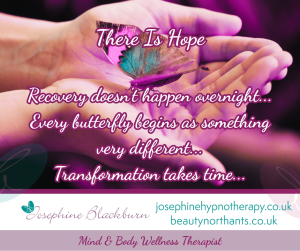 Recovery doesn’t happen overnight.
However, with the right support, understanding and compassionate approach, many young people begin to rediscover confidence, regulate their emotions more effectively and gradually rebuild positive experiences of learning.
Every butterfly begins as something very different.
Transformation takes time.
With patience, support and the right environment, young people can learn to spread their wings once again.
The Butterfly Bridge Program is designed to provide that safe, supportive bridge from surviving to thriving, helping young people take one small step at a time towards greater confidence, resilience and hope.
If your child or young person is struggling with school, college or university anxiety or Emotionally Based School Avoidance, I’d be happy to have an informal conversation to discuss whether the Butterfly Bridge Program could provide the support your family needs.
Frequently Asked Questions
What is Emotionally Based School Avoidance (EBSA)?
Emotionally Based School Avoidance (EBSA) describes a young person who struggles to attend school because of overwhelming emotional distress. Unlike truancy, the avoidance is driven by anxiety and emotional overwhelm rather than a deliberate choice to avoid education. Many young people with EBSA want to attend school but feel unable to because their brain and body perceive it as unsafe. EBSA is increasingly recognised by schools and mental health professionals as a genuine emotional wellbeing need.
Is EBSA the same as school refusal?
Although the terms are sometimes used interchangeably, they are not quite the same. Truancy generally refers to a young person choosing to miss school without significant emotional distress. With EBSA, attendance is affected by overwhelming anxiety or emotional difficulties. Rather than refusing school through choice, the young person’s nervous system is responding as though school is unsafe.
How many sessions are included?
The Butterfly Bridge Program consists of six sessions, which is usually enough to help young people build understanding, confidence and practical coping strategies. However, every young person is different, and if additional sessions would be beneficial, these can be arranged to provide ongoing support.
What age is the Butterfly Bridge Program suitable for?
The programme is generally suitable for young people from around Year 6 (approximately 10–11 years old) through to college and university students. If your child is younger, I’m always happy to have an informal conversation to discuss their individual needs and whether the programme would be appropriate.
Can hypnotherapy help with school anxiety?
Solution Focused Hypnotherapy doesn’t focus on reliving distressing experiences. Instead, it helps young people understand how anxiety affects the brain while developing practical strategies to feel calmer and more confident. Gentle hypnosis promotes deep relaxation, helping the brain strengthen healthier thought patterns and reduce the emotional intensity of anxious responses. Every young person is different, so sessions are always tailored to their individual needs and goals.
Will my child be hypnotised against their will?
No. Hypnosis isn’t mind control. Your child remains aware throughout the session and cannot be made to do or say anything they don’t wish to. It is simply a natural state of focused relaxation, similar to becoming absorbed in a good book, film or daydream.
Can my child still have sessions if they aren’t attending school?
Absolutely. In fact, many young people begin the Butterfly Bridge Program while they are struggling to attend school or are not attending at all. The initial focus is on helping them feel emotionally safe, reducing anxiety and building confidence before gradually working towards returning to education in a way that feels manageable for them.
Do I stay in the room during sessions?
I ask parents or carers to remain on the premises during appointments. If a younger child, particularly those under 14, feels more comfortable with a parent or carer in the room, that is absolutely fine. My aim is always to create a safe and supportive environment, while encouraging the young person to express themselves in their own way and at their own pace.
What if my child doesn’t want to talk?
That’s perfectly okay. Building trust takes time, and there is never any pressure to talk before they feel ready. Some young people chat easily from the first session, while others need a little longer to feel comfortable. We always work at a pace that feels right for them.
Will you contact my child’s school?
I will only contact your child’s school if you would like me to, for example to contribute information that may support an Education, Health and Care Plan (EHCP) or to help the school better understand your child’s needs. Any communication would always be discussed and agreed with you beforehand.
How quickly will we notice changes?
Every young person is different, so there is no set timescale. Some notice positive changes quite quickly, while for others progress is more gradual. We work at a pace that feels right for your child, focusing on building confidence and emotional resilience step by step. The Butterfly Bridge Program includes six sessions, with additional sessions available if they would be helpful.
Do you work with autistic young people or those with ADHD?
Yes. Every young person is unique, and sessions are adapted to meet their individual needs. If your child is autistic, has ADHD or another neurodivergent profile, we will work together in a way that feels comfortable, supportive and appropriate for them.
Can the Butterfly Bridge Program help with college and university anxiety?
Yes. Anxiety can affect young people at any stage of education, including college and university. The pressures of academic study, increased independence, social expectations and life transitions can all contribute to anxiety. In fact, one of my very first clients after qualifying, had taken a year out of university due to anxiety. After working together, they successfully returned to complete their degree, which was wonderful to see.
Do I need a referral?
No. You don’t need a referral from your GP or school to book an appointment. Parents and carers are welcome to contact me directly to arrange an initial consultation.
You Don’t Have to Navigate This Alone
Whether your child has just started becoming anxious about school or they’ve been out of education for some time, taking the first step can often feel overwhelming.
You don’t need to have all the answers before reaching out.
If you’d simply like to talk through what’s happening, ask questions about the Butterfly Bridge Program or find out whether it’s the right support for your family, I’d be delighted to arrange a free, informal consultation.
Together, we can explore the next small step towards helping your young person feel safe, confident and hopeful again.