
How Loneliness Affects Our Mental Health
The Silent Struggle of Loneliness is often perceived as a temporary feeling. Something that can be overcome with socialising or distracting ourselves with activities. However, the impact of loneliness on our mental health is far more profound and lasting than many realise. Loneliness is a personal and subjective feeling, that actually anyone can feel at any time.
 I was faced with a challenge at choir, to come up with song lyrics which had a powerful message, personal to us, and make it into a Christmas decoration. The lyrics I chose were, “Is There Anybody Out There” from Pink Floyd, The Wall. A reminder that certain times of year which are perceived to be a happy time, often aren’t for many. This sparked me into writing this blog The Silent Struggle: How Loneliness Affects Our Mental Health.
We are Social Creatures
As human beings, we are inherently social creatures. If we think back to early man, they worked together as a tribe to survive; in other words, connection with others is vital to our well-being. We talk about the Importance of Positive Interactions in our sessions as it makes up one of the Five Steps to Wellbeing.
When these connections are lacking or broken, the psychological consequences can be devastating. We of course experienced this through lockdown.
Challenges of Loneliness
Loneliness is the state of being alone, away from people or without company.
I have had many conversations with clients about How Loneliness Affects Our Mental Health and why they are finding it hard to cope. Some examples are:
- Bereavement of a lifelong partner, not only grieving, but coping with being on their own.
- Redundancy or retirement, the sudden change from being in a social environment at work, to being alone and out of the tribe.
- Marriage, breakup and divorce. In a marriage you can feel lonely for a number of reasons, not being listened to, caring for a partner who has become dependent on them through illness, one partner travelling a lot, to name a few. Breaking up is emotionally difficult. Especially at significant events, such as when Mud sang about spending Christmas without the girl he loves, in their UK no1 hit, ‘Lonely This Christmas’. Divorce, depending on the circumstances can lead to being lonely. I personally know how hard it is, especially at weekends when friends are with their families and you wouldn’t want to impose.
- When your children reach that certain age. Either in those awkward teenage years when they really don’t want to spend time with you, and as a single parent you feel alone. Then when your children leave home and are not dependent on you anymore.
Mental Health Challenges
Prolonged loneliness has been linked to a variety of mental health challenges, including depression, anxiety, and increased stress. The isolation that comes with loneliness can cause negative thought patterns to spiral, leading individuals to feel unworthy, disconnected, or even helpless. This can severely affect self-esteem, contributing to feelings of hopelessness and sadness.
The emotional toll of being alone can sometimes feel unbearable, especially when compounded by a lack of support or understanding from others who haven’t experienced the Silent Struggle. We can all appear to cope on the outside, putting on a ‘daily mask’, yet in private you fall apart.
Furthermore, loneliness activates the brain’s stress response system, which increases levels of cortisol—the stress hormone. Chronic high cortisol levels are associated with a range of mental health issues, including impaired cognitive function, memory loss, and emotional regulation problems. This heightened state of stress can trigger or worsen existing mental health disorders, creating a vicious cycle of isolation and distress.
Ways to Overcome Loneliness
The good news is that loneliness can be managed and even overcome. Seeking social support, engaging in regular physical activity, and practicing mindfulness are just a few ways to combat loneliness and improve mental well-being. Reaching out to others, maybe volunteering, even in small ways, can make a significant difference in breaking the cycle of isolation and beginning the journey toward healing.
Hypnotherapy to Combat the Silent Struggle
Sometimes it is easier said than done to make changes, and that is where Hypnotherapy may be your answer. It certainly helped me! My Butterfly Program for Transformation and Growth, will get to the heart of what will bring you the most calm and peace. To restore your daily life back to what you see as a sense of stability and ease. Unlock a brighter, more empowered you. Helping you say goodbye to your anxieties and welcoming a clearer, rejuvenated mindset. The program will help you embrace those alone times, as well as giving you the confidence to step out of your comfort zone and make positive changes.
In Conclusion
Loneliness is more than just a passing feeling; it’s a serious mental health concern. By acknowledging its effects and taking steps to address it, we can begin to protect our mental health and find the meaningful connections we all need to thrive. Remember to check in on those who might be experiencing the Silent Struggle of Loneliness.
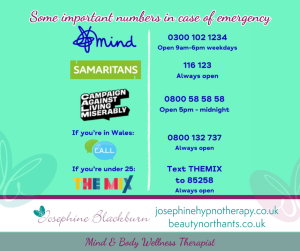 Some important support numbers are:
NHS 111 option 2 mental health crisis response service
SAMARITANS 116 123
MIND 0300 102 1234
Make a silent call to the Police when you can’t talk and are in danger dial 999 55
We all have the ability to change…
I am passionate about helping my clients receive the high standard of therapy they deserve. If I am the right Hypnotherapist for you, then please do reach out and book a free consultation.
I am a full member of the AfSFH, NCH and CNHC, fully compliant with all their codes and ethics. I have full public liability am qualified, verified, and fully insured through BABTAC, with an enhanced DBS certificate through the NCH. Please do visit my terms & conditions.